Nashville's Older Homes and Mold Risk: What Buyers Should Know
Local Overview
Tennessee has no standalone mold remediation license. That gap shifts responsibility to the property owner. Middle Tennessee's humidity — averaging above 70 percent relative humidity through summer months — creates conditions where mold growth is a recurring maintenance issue, not a rare event. Nashville's contractor market reflects that demand. Crawlspace specialists, water-damage firms, and general remediation providers compete for the same jobs with overlapping but different scopes. Knowing what separates those scopes, what drives cost, and how to confirm credentials is the practical work this guide covers.
Who Needs Mold Remediation in Nashville
Nashville property owners who call remediation contractors fall into three broad groups.
The first group discovers visible growth during a routine inspection or renovation. Removing drywall or flooring in an older home often reveals mold colonies that developed behind finished surfaces over months or years. Nashville's older housing stock — much of it built before modern vapor barriers became standard — creates consistent exposure to this discovery pattern.
The second group finds mold during a real estate transaction. A buyer's inspector flags growth in a crawlspace or attic. The transaction stalls until a remediation contractor provides a written scope and a post-work clearance report. This group faces compressed timelines and needs a contractor who can document the work for lenders and insurers.
The third group arrives through water-intrusion events with a faster timeline. Nashville's flash-flood and tornado exposure generates recurring storm-driven water entry and roof penetration. Plumbing failures and HVAC condensate overflow create the same interior moisture conditions year-round. The EPA notes mold can begin developing on wet building materials within 24 to 48 hours. Speed of response directly affects final remediation scope and cost.
What Nashville Mold Remediation Contractors Look For
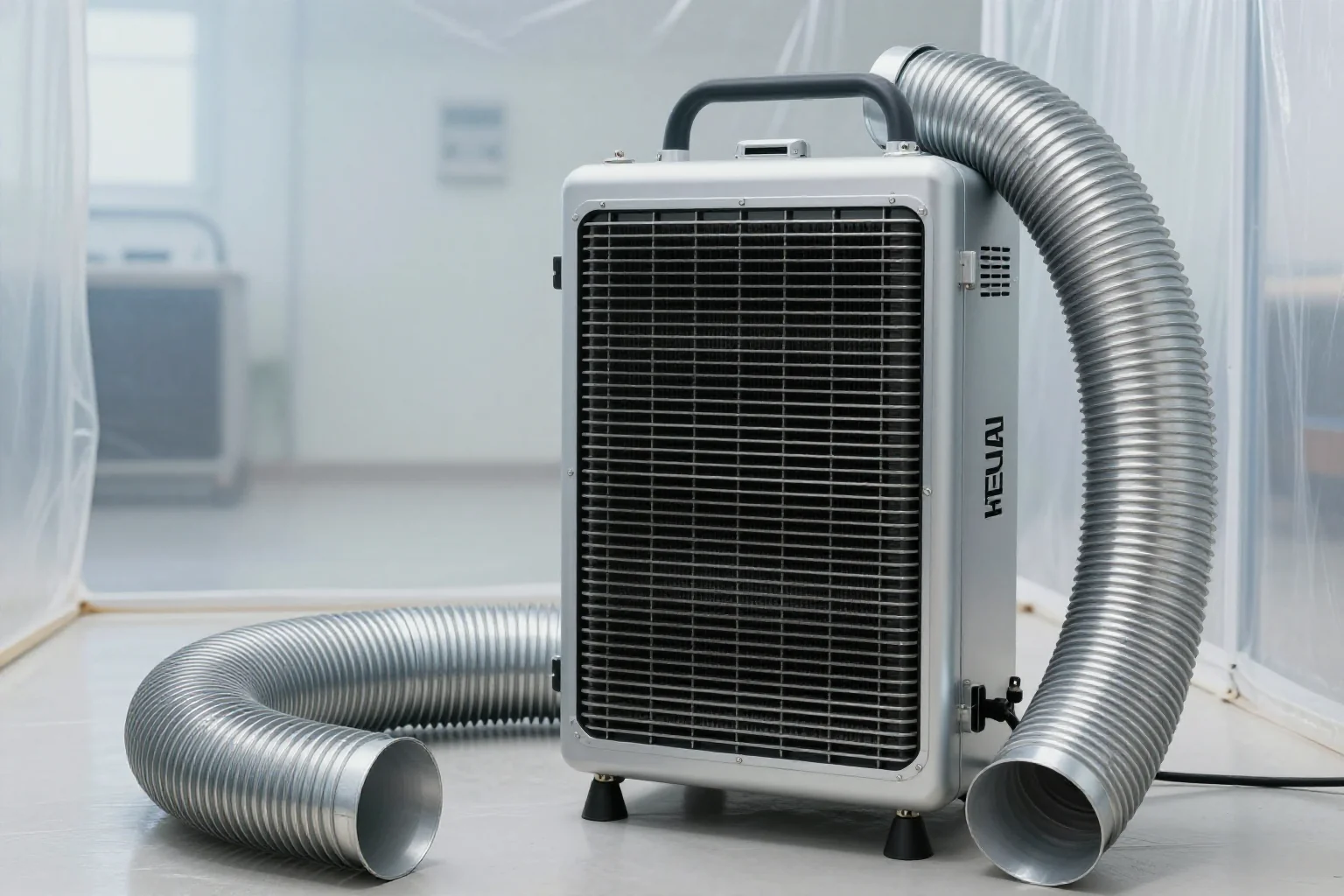
Before writing a scope, a credible contractor distinguishes between encapsulation and remediation. Encapsulation addresses vapor intrusion and future moisture control. Remediation addresses existing biological growth. Nashville's housing stock pushes both needs into the same job. A contractor who bundles them without separating line items makes comparison shopping impossible.
That documentation gap matters most when a lender or insurer is involved. Financed purchases and active insurance claims often require a written containment plan, a defined scope of work, and a post-remediation clearance report. Contractors who cannot produce those documents before work starts create real transaction risk. No state agency enforces that paperwork standard in Tennessee. The property owner must require it explicitly.
Access conditions in older crawlspace homes drive scope decisions as much as the mold itself. Low clearance, standing water, and deteriorated vapor barriers all affect how containment is built and how long drying takes. A credible written scope names these conditions. Generic estimates that skip site-specific detail are a warning sign.
Ask directly whether the drying timeline changes if moisture readings remain elevated after initial treatment. A contractor running a real process answers that question with specifics — threshold readings, monitoring intervals, and what triggers additional drying cycles. A vague general reassurance signals the opposite.
Cost Factors and Scope
Jobs at the lower end involve small surface-level growth in accessible spaces. Costs rise when crawlspace geometry limits equipment movement, when contamination has spread to structural framing, or when contents removal is required before remediation can begin.
Four variables drive the final number more than square footage alone. First, containment complexity — negative air pressure setups and multi-zone barriers cost more than simple plastic sheeting. Second, material removal — remediating in place costs less than tear-out, but not every surface qualifies for treatment without removal. Third, drying duration — jobs requiring multiple days of monitored drying add equipment rental and labor. Fourth, clearance testing — independent post-work air sampling is a separate cost that some contractors include and others do not.
Nashville's climate adds one specific cost pressure. High ambient humidity slows drying. A job scoped for three days of drying may require five when outdoor dewpoints are elevated. Contractors who do not account for seasonal humidity variation in their initial estimates produce quotes that shift mid-job.
Request itemized written quotes that separate each phase. A single total without line-item detail prevents meaningful comparison. Ask each contractor what triggers a scope change mid-job and what the pricing mechanism is when that happens.
How to Verify a Mold Remediation Contractor in Tennessee
Tennessee does not issue a dedicated mold remediation license. Contractors operating in Nashville typically hold a general contractor license, a contractor's license with a specialty classification, or no state-issued credential specific to mold at all.
Start with the Tennessee Department of Commerce and Insurance contractor license lookup to confirm whether the contractor holds any active state license. That search does not confirm mold-specific training, but it confirms basic standing.
Next, ask each contractor for documented IICRC certification — specifically the Applied Microbial Remediation Technician (AMRT) credential. IICRC certification is industry-standard and verifiable directly through the certifying body. It is not a government credential, but it indicates training against a defined standard.
Request a current certificate of general liability insurance and proof of workers' compensation coverage. Ask the insurer to confirm both are active. A lapsed policy creates direct liability for the property owner if a worker is injured on site.
Finally, ask whether the contractor separates testing from remediation. A single firm that both tests for mold and performs the remediation has a financial interest in the outcome of that test. In a state with no licensing oversight, that conflict matters. Independent post-remediation clearance testing from a separate party is the cleaner standard.
Frequently Asked Questions
Does crawlspace encapsulation count as mold remediation in Nashville?
No. They are two different scopes. Conflating them is one of the most common errors Nashville property owners make when comparing bids.
Crawlspace encapsulation installs a vapor barrier and may include a dehumidifier to manage future moisture intrusion. It does not remove or treat existing biological growth. Mold remediation addresses existing colonies through containment, physical removal or treatment of affected materials, measured drying, and post-work clearance testing. Encapsulation after remediation can reduce recurrence risk. Encapsulation instead of remediation leaves the underlying problem in place.
Nashville crawlspaces frequently need both services. Older homes with deteriorated or absent vapor barriers often have active mold growth and elevated moisture simultaneously. Each scope still needs its own line item in the work authorization. Ask any contractor quoting your project to separate these in writing with a description of what each phase includes. If a single flat price covers both without that detail, request the breakdown before signing. Any contractor running a defined process can produce that document without delay.
What documentation should a Nashville mold remediation contractor provide?
At minimum: a written scope of work, a containment plan describing how affected areas were isolated, records of what materials were removed, moisture meter readings confirming materials dried to acceptable levels, and a post-work clearance report from independent air or surface sampling.
This documentation matters beyond your own records. If you financed the property, refinanced it, or plan to sell, a lender or buyer's inspector may request evidence that remediation was completed and verified. Tennessee maintains no government file on mold remediation work. Your documents are the only third-party record of what was done.
For insurance claims tied to storm or flood events in Nashville, confirm before work begins whether clearance documentation is included in the contractor's scope or billed separately. Some Nashville contractors include independent clearance in their standard scope. Others treat it as an optional add-on. A contractor who frames clearance testing as unnecessary is not following industry-standard protocol. IICRC S520 — the standard for professional mold remediation — treats post-remediation verification as a required phase, not an optional one.
How does Nashville's climate affect mold remediation timelines?
Middle Tennessee's combination of high summer humidity and mild winters creates conditions where drying timelines are longer than national averages, and where mold recurrence is a real risk if drying is not verified before a job is closed.
The practical consequence is that drying cannot be treated as passive or assumed. Contractors should use calibrated moisture meters to confirm that affected materials reach acceptable levels before any encapsulation or rebuild work begins. Opening windows or running a residential fan is not a drying protocol. A rushed dry-out followed by immediate encapsulation traps residual moisture behind finished surfaces.
Nashville jobs scoped during July and August face the highest ambient dewpoints of the year. Equipment that performs adequately in spring or fall may need longer run times in peak summer. Ask specifically how drying progress will be monitored and documented on your job — not just how the crew will be scheduled. The answer distinguishes contractors who treat drying as a measurable, documented phase from those who treat it as a scheduling step before moving on.
Compare Your Next Steps
Request a written, itemized scope from at least three contractors before signing anything. Each scope should name the affected area, the containment method, the drying standard, and whether clearance testing is included. Verify IICRC AMRT certification and confirm active insurance directly with the carrier. For additional research, see Nashville mold remediation companies, the mold remediation cost guide, how to choose a mold remediation company, and EPA mold cleanup guidance.